
A Guide to Disposing of Hazardous Waste for Businesses
Mishandling hazardous wase can have serious consequences for any business. It not only poses risks to employees and the environment but can also lead to costly fines and legal action.
UK legislation clearly sets out strict requirements for identifying, storing, transporting and disposing of hazardous waste safely.
Working with an experienced provider such as WM101, with UK-wide coverage, ensures each stage is handled properly and in full compliance with UK regulations.
What Counts as Hazardous Waste for Businesses
Hazardous waste is any material that could cause harm to people, animals, or the environment. This includes anything which may be considered toxic, corrosive, flammable, reactive, or contain substances that require special handling.
Many business activities generate some type of hazardous waste without it always being ‘obvious’. This is why correct identification and separation is crucial.
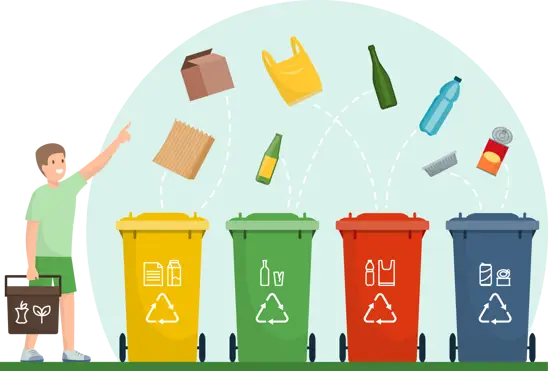
Common Types of Hazardous Waste
- Oils, lubricants an oily rags
- Solvents, thinners and industrial cleaning chemicals
- Paints varnishes and adhesives
- Batteries, fluorescent tubes and other chemical-based electrical items
- Asbestos-contaminating materials
- Contaminated soil or debris from construction or demolition
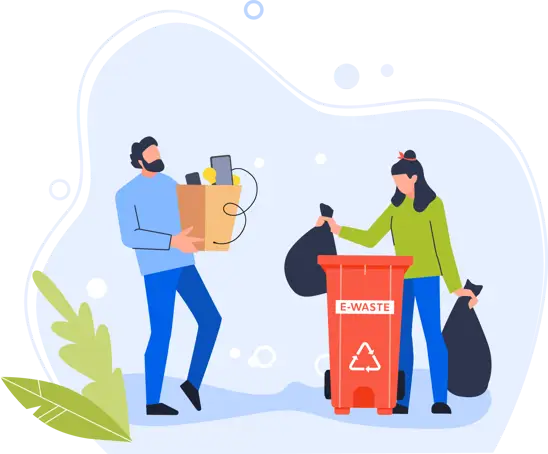
- Waste electrical and electronic equipment (WEEE)
- Clinical or hygiene waste such as sharps or contaminated PPE
For more information on individual hazardous waste types, visit our dedicated Hazardous Waste information section.
Key Steps for Businesses When Disposing of Hazardous Waste
- Identify and separate: Classify each waste stream correctly, keep hazardous waste separate and use suitable clearly labelled containers
- Use licensed partners and notes: Only use registered carriers/brokers, complete consignment notes and Waste Transfer Notes for every collection
- Store records and review: Keep all documentation for at least three years, train staff and review procedures regularly with a compliant provider such as WM101
How Hazardous Waste is Classified
All hazardous waste must be identified using its chemical and physical properties. Classification involves applying the correct European Waste Catalogue (EWC) code and describing any hazardous characteristics. This includes toxicity or flammability.
Accurate classification ensures that the right containers, labelling and treatment methods are used to help businesses control costs and comply with environmental regulations.
Examples of Hazardous Waste Streams
Different sectors produce various types of hazardous waste. Examples by sector include:
- Manufacturing and engineering: Oily rags, metalworking fluids, solvent-based paints, chemical residues, etc
- Laboratories and healthcare: Chemicals, reagents, contaminated glassware, sharps, clinical waste, etc
- Automotive and transport: Waste oils, brake fluids, antifreeze, batteries, oily filters
- Construction and demolition: Asbestos-containing materials, contaminated soil, insulation materials, paint tins, etc
- Retail and commercial: Fluorescent tubes, aerosols, cleaning chemicals, small WEEE, etc
- IT and electronics: Waste electrical and electronic equipment, components containing lead or mercury, etc
Legal Obligations for Businesses Handling Hazardous Waste
UK legislation clearly states that businesses are required to take full responsibility for all hazardous waste they produce.
The legislation includes applying the duty of care, storing waste securely, keeping records, using licensed carriers. Non-compliance can result in fines, enforcement action and reputational damage.
Under the duty of care businesses must document all waste movements and keep records for a minimum of three years. Businesses must also ensure that they have clear signage, secure labelling, and regular staff training to help maintain safety and ensure compliance.
Hazardous waste can only be transported and disposed of by registered waste carriers. It must always be accompanied by a consignment note. It is important that businesses verify that disposal takes place at an authorised treatment or recycling facility.
At WM101, we coordinate this process on our client’s behalf to ensure traceability, peace of mind and compliance.
Safe Storage & Handling on Site
Prior to disposing of hazardous waste, materials must be stored safely to prevent leaks and exposure. Businesses should use compatible containers suitable for the specific waste type, ensure clear labelling and keep liquids bunded or sealed in areas away from drains.
Indoor storage is usually preferred for volatile or flammable substances. If waste is stored outdoors, The Environment Agency expects hazardous waste to be kept secure in a locked, weather protected compound to prevent unauthorised access and environmental risks.
Minimising Hazardous Waste: Prevention and Recycling Options
To reduce hazardous waste generation this begins with prevention. Businesses should review inventory control, substitute less harmful materials and reuse containers or equipment wherever possible.
Some types of hazardous waste, such as oil, metal or WEEE can be recycled under strict controls. At WM101, we can advise on recycling routes and recovery options for your waste materials.
How to Arrange Authorised Collection and Disposal
Businesses should ensure that they work with a registered broker or carrier to ensure disposing of hazardous waste is managed correctly. Information required should include the providers registration number, a copy of their waste carrier licence, and thereafter checking how collection schedules align with business needs and operations.
At WM101, we offer cost-effective and compliant solutions for hazardous waste across the UK.
When selecting the right broker, it is important to look for transparent pricing, full documentation, UK wide coverage, and reputable customer service.
At WM101, we offer free waste transfer notes, no bin charges and your first month of collections for free. Our service is backed by ISO 9001 and ISO 14001 certification for quality and environmental management.
After booking WM101 will deliver the appropriate containers needed for your waste streams, schedule pickup and transport waste to an authorised facility for treatment and/or recycling. This ensures your business is disposing of hazardous waste safely and legally.
At WM101, we provide all relevant and necessary documentation, from consignment notes to recycling certificates to ensure you have a compete and traceable record for compliance.
Choose WM101 for Safe, Compliant Hazardous Waste Disposal
At WM101, we are trusted providers offering fully compliant, UK-wide hazardous waste management services.
We provide businesses with peach of mind through expert classification, licensed carrier coordination, and full documentation to ensure all waste is handled safely and in line with UK regulations.
What You Get with WM101:
- Free waste transfer note
- Certificate waste collection backed by ISO 9001 and ISO 14001
- UK wide service with reliable support from an experienced team
- Flexible scheduled pickups to match operational needs
- Free bins and free delivery on signup
- No bin rental costs – from small wheelie bins to compactors or large containers

Get a Free Quote for Hazardous Business Waste Collections
Ready to arrange professional support for disposing of hazardous waste? Contact our team today for more information and for a free quote.
FAQs about Business Hazardous Waste Disposal
No, you cannot mix different types of hazardous waste or mix hazardous with non-hazardous. It is illegal and can increase disposal costs. Each type must be kept separate in clearly labelled containers.
Yes, electronic or WEEE waste can often contain lead, mercury and other hazardous components. These must all be handled by an authorised treatment facility.
Businesses can evidence compliance with hazardous waste laws and regulations by keeping all consignment notes, waste transfer notes and carrier licences for at least three years. Using a registered broker such as WM101 provides an auditable trail showing your business meets its legal obligations.
08/12/2025