
Navigating UK Landfill Tax Changes: How Businesses Can Save Money
The latest UK Landfill Tax increases, announced under Chancellor Rachel Reeves, have added further pressure to business budgets across the UK. From 1 April 2026, both the standard and lower rates of Landfill Tax increased, meaning businesses that rely heavily on landfill disposal are likely to see their waste management costs continue to rise.
While landfill tax is designed to encourage more sustainable waste management practices, it also has a direct impact on operational spending. If recyclable or recoverable materials are regularly ending up in general waste, your business could be paying more than necessary for waste disposal while becoming increasingly exposed to future tax increases.
The good news is that many businesses can reduce their exposure to rising landfill costs by improving their waste management strategy. With support from a waste management broker, it's often possible to divert more waste away from landfill, increase recycling rates, and identify more cost-effective disposal routes.
Find out more below.
Key Takeaways
- Escalating Rates Impact the Bottom Line: Because the UK Landfill Tax increases year-on-year, sticking to outdated, unsegregated waste habits means your business will automatically face higher commercial waste disposal costs.
- Separation is Your Best Financial Defence: Implementing smart waste segregation on-site (such as separating heavy glass, food, or cardboard) is the fastest way to divert material from landfill and avoid the highest tax brackets.
- Expert Management Absorbs the Stress: Partnering with a national broker like WM101 allows you to offload compliance and logistics. You get a tailored strategy optimised for your specific waste types and collection cycles, avoiding the headache of managing multiple regional suppliers.
Understanding Landfill Tax for Businesses
Landfill tax was introduced to discourage waste from being disposed of in landfills and encourage more sustainable waste management practices. The principle is simple: the more waste that goes to landfill, the higher the cost. By attaching a tax to landfill disposal, the government drives businesses and waste operators to prioritise waste reduction, recycling, reuse, and recovery.
Over the last two decades, landfill tax has played a key role in reducing the UK’s reliance on landfill and encouraging investment in recycling and alternative treatment methods. For businesses, however, the commercial impact is clear. As landfill tax rates increase, any waste that could have been recycled or recovered but instead ends up in landfill becomes increasingly expensive.
How Does Landfill Tax Work?
Landfill tax applies to waste disposed of at authorised landfill sites and is charged based on weight. There are two main rates:
- A standard rate that applies to most waste types
- A lower rate that applies to qualifying inert or less-polluting materials that meet specific criteria
Although landfill operators pay the tax to HMRC, the cost is typically incorporated into disposal charges and passed on to businesses and other waste producers.
Waste Disposal Cost Per Tonne in the UK
|
Material sent to landfill |
Rates from 1 April 2025 |
Rates from 1 April 2026 |
|
Standard rated waste |
£126.15 per tonne |
£130.75 per tonne |
|
Lower rated waste |
£4.05 per tonne |
£8.65 per tonne |
The increase to the lower rate is particularly significant, more than doubling from the previous year. As disposal costs continue to rise, now is a good time to review your waste management strategy and identify opportunities to reduce unnecessary spend.
Why Rising Landfill Costs Should Concern Businesses
Many businesses don't realise how much landfill is costing them because the expense is often bundled into wider waste management invoices.
However, every tonne of mixed waste sent to landfill attracts charges that can include:
- Landfill tax
- Landfill gate fees
- Transportation costs
- Handling and administration costs
As landfill tax continues to increase, these combined costs can have a growing impact on operational budgets.
For organisations operating multiple sites or generating high waste volumes, even relatively small increases in disposal costs can quickly add up over the course of a year.
The Risks of Outdated Waste Management
Many businesses still dispose of large volumes of mixed waste because their waste management arrangements have evolved organically over time.
When waste isn't properly separated, more material is likely to be sent to landfill unnecessarily. That means your business continues paying increasing disposal costs while missing opportunities to recycle, recover, or reuse valuable materials.
Put simply, if your waste strategy hasn't been reviewed recently, there's a good chance you're paying more than you need to.
How Waste Segregation Helps Reduce Costs
One of the most effective ways to reduce exposure to landfill tax is to minimise the amount of waste that reaches landfill in the first place.
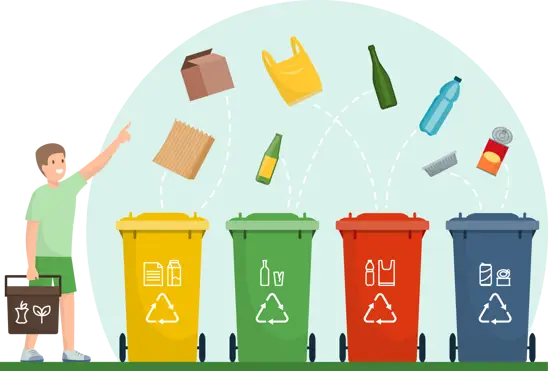
Waste segregation involves separating different waste streams so that recyclable and recoverable materials can be processed appropriately.
Depending on your business, this could include:
The more material you divert away from landfill, the less you're exposed to rising landfill costs.
The Benefits of Better Waste Segregation
Improving waste segregation can help businesses:
- Reduce landfill disposal costs
- Increase recycling rates
- Identify opportunities to reuse materials
- Improve operational efficiency
- Support environmental and sustainability objectives
- Gain greater visibility over waste management spending
Even relatively simple changes to bin provision, staff processes, and collection arrangements can lead to meaningful cost savings over time.
Why Businesses Choose WM101
At WM101, we act as your dedicated waste department. We provide reliable, affordable, and hassle-free waste management solutions tailored to your sector, site, and schedule. Whether you operate a single premises or multiple locations across the UK, we help simplify waste management while identifying opportunities to reduce costs.
Our experienced team works closely with a network of reputable waste contractors across the country to find the most efficient and cost-effective solutions for your business. When you partner with WM101, you benefit from:
- Nationwide waste management coverage
- One point of contact for all locations
- Competitive pricing across multiple waste streams
- Free bins and delivery
- No bin rental costs
- Free waste transfer notes
- Flexible collection schedules
- Support with compliance and reporting
- The ability to adapt services as your business evolves
We also hold ISO 9001 and ISO 14001 accreditation, giving you confidence that your waste is being managed responsibly and in accordance with recognised industry standards.
Most importantly, we help businesses reduce unnecessary waste costs by ensuring the right waste goes to the right place.
FAQs About Landfill Tax for Businesses
Landfill site operators pay Landfill Tax directly to HMRC. However, these costs are typically passed through the waste management chain and ultimately reflected in the disposal charges paid by businesses and other waste producers.
The less waste your business sends to landfill, the less exposure you have to landfill-related costs. Improving waste segregation and increasing recycling rates can significantly reduce the volume of taxable waste requiring landfill disposal.
Signs your business is overpaying include high volumes of general waste, limited recycling facilities, multiple waste suppliers, or a waste strategy that hasn't been reviewed for several years. A professional waste audit can often identify opportunities to reduce costs and improve efficiency.
Certain qualifying materials may be eligible for the lower rate of tax, while some specific waste types and activities can be exempt under Landfill Tax legislation. Eligibility depends on the nature of the material and the applicable regulations.
Landfill tax encourages businesses to reduce waste, recycle more materials and explore alternative disposal methods. This helps reduce reliance on landfill sites, conserve resources, and support a more circular economy.
Landfill tax has been widely credited with helping reduce the amount of waste sent to landfill in the UK by encouraging greater recycling, recovery, and resource efficiency. It remains one of the government's key policy tools for promoting sustainable waste management.
08/07/2026