Sanitary Waste Disposal UK Law: What Businesses Need to Know in 2026
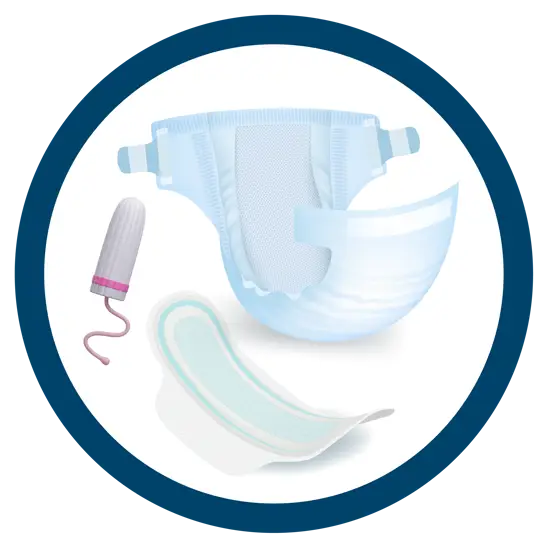
Sanitary waste disposal law in the UK usually refers to a combination of workplace welfare, waste duty of care and sewer protection rules rather than a single act. Sanitary waste covers items such as sanitary towels, tampons, liners, incontinence products, applicators, etc.
Legal obligations arise under the Workplace Health, Safety and Welfare Regulations 1992 which require suitable sanitary facilities in the workplace, the Environmental Protection Act 1990, which places a duty of care on waste producers and the Water Industries Act 1991, which restricts inappropriate flushing of sanitary products.
Businesses must provide suitable facilities, store waste safely and arrange for collection and disposal of such waste through compliant providers, such as WM101.
Getting this wrong or failing to provide the required facilities can create hygiene risks, operational disruption, and enforcement action. It is therefore crucial for organisations to partner with professional sanitary waste disposal companies.
What Is Sanitary Waste and Why It Matters
All menstrual products and incontinence waste such as sanitary towels, tampons, applicators and packaging, etc. all constitute sanitary waste. While these items are classed as non-hazardous in most workplace settings, they do require controlled handling due to hygiene risks.
Poor or inappropriate disposal of sanitary waste can lead to the production of odours, plumbing issues, cross-contamination, and complaints from staff and/or visitors. Proper segregation, secure storage and scheduled servicing and collection are essential. This is not simply for hygiene but for compliance under the broader sanitary waste disposal law framework.
For further details on compliant handling and collection, visit our dedicated Sanitary Waste Management services.

What you need to know about UK Sanitary Waste Disposal Laws
- There is no single standalone sanitary waste disposal law UK, but businesses must comply with multiple regulations including the Environmental Protection Act 1990 and Workplace (Health, Safety and Welfare) Regulations 1992.
- Disposal of sanitary waste in the workplace is a legal responsibility of the employer, who has a duty of care to ensure safe storage, collection, and disposal by a licensed waste carrier.
- Providing appropriate sanitary bins in female and unisex toilets is a legal requirement, and best practice now extends to inclusive and male facilities.
- Failure to comply can lead to fines, enforcement action, and reputational damage, especially if waste is mishandled or improperly disposed of.
- Working with professional sanitary waste disposal companies helps ensure compliance, proper documentation and reduces legal risk.

UK Sanitary Waste Disposal Law Explained
The key legislation for sanitary waste covers workplace welfare, waste management and sewer protection.
- The Workplace (Health, Safety and Welfare) Regulations 1992 require suitable and sufficient sanitary conveniences for all staff.
- The Environmental Protection Act 1990 places a duty of care on waste producers to store, describe and transfer waste safely.
- The Water Industry Act 1991 restricts what can be put into public sewers. This supports the case for correct bin provision rather than the alternative being flushing sanitary waste.
- The Controlled Waste Regulations confirm that any sanitary waste produced in commercial premises is classed as controlled waste and therefore it must be transferred to an authorised waste carrier with appropriate documentation in place.
Is There a Specific UK Sanitary Waste Law?
There is no single, standalone UK sanitary waste disposal law. Instead, compliance comes from meeting the combined requirements, across workplace welfare and the waste duty of care.
Legal Consequences of Non-Compliance
Non-compliance with regulations can trigger enforcement action, unlimited fines and increased scrutiny during inspections, depending on the severity of the offence and the size of the business. It can also cause operational issues, including blocked toilets, staff complaints and poor hygiene standards that can impact staff morale and reputation.

Disposal of Sanitary Waste in the Workplace
Workplace Obligations
The disposal of sanitary waste in the workplace should include suitable bins in female, unisex and disabled toilet facilities with regular servicing to prevent overflows and odour. An employer is responsible for ensuring all waste is stored safely and securely, handled discreetly and removed through appropriate arrangements that meet duty of care requirements.
Best Practices for Workplace Disposal
Best practices for the disposal of sanitary waste include; placing bins inside cubicles, setting a service frequency based on footfall, and keeping sanitary waste separate from general waste.
Good record keeping is important and should include waste transfer notes and supplier documentation to evidence duty of care.
Duty of care rules mean that businesses must take reasonable steps to ensure waste is only passed to authorised people with the necessary paperwork retained as evidence. Using compliant carriers, such as WM101, also reduces the risk of waste being misdescribed or mishandled under the broader UK sanitary waste disposal law framework.

Choosing Sanitary Waste Disposal Companies
What to Look for in a Provider
When looking for sanitary waste disposal companies, it is important to choose providers that can evidence compliant collections, provide clear service schedules and provide the correct paperwork. A reputable provider should explain how waste is stored, collected and documented and how they manage servicing across different site types.
Services Offered by Sanitary Waste Disposal Companies
Waste disposal companies should provide sanitary waste bins and servicing together, with planned collections and compliance documentation that includes waste transfer notes.
WM101 also supports multi-site servicing for facilities teams to standardise hygiene and compliance across locations.

Choose WM101 for Fully Compliant Sanitary Waste Disposal Under UK Law
When it comes to sanitary waste, compliance isn’t optional, it’s a legal responsibility. WM101 supports businesses across the UK with fully compliant sanitary waste disposal services, helping to ensure employers meet all requirements under workplace and environmental regulations.
As one of the trusted sanitary waste disposal companies, we tailor solutions to suit your premises, footfall and operational requirements. |Whether you operate an office, retail unit, hospitality venue, healthcare setting or industrial site.
What You Get with WM101:
- Free Waste Transfer Note to support your legal duty of care
- Certified Waste Collection Services delivered through trusted partners backed by ISO 9001 and ISO 14001 standards
- Reliable, discreet sanitary waste collections
- Fully compliant documentation for audits and inspections
FAQs about Sanitary Waste Disposal in the UK
To dispose of sanitary waste businesses must use appropriate sanitary waste bins and arrange compliant collection through authorised carriers, such as WM101. Proper disposal of sanitary waste in the workplace helps to ensure safe storage, documented transfer and adherence to the wider sanitary waste disposal law UK framework.
Used sanitary towels are not typically classified as hazardous waste in standard workplace environments. However, they must still be managed in accordance with UK sanitary waste disposal requirements and handled by professional companies to ensure compliant storage and collection.
Sanitary bin waste is stored securely on site, collected by licensed carriers, such as WM101, and transported to authorised treatment or disposal facilities. This process forms part of compliant disposal of sanitary waste in the workplace and includes documentation to meet duty of care obligations.
27/02/2026