
What Is Offensive Waste? Our Complete Guide for Businesses
Many businesses produce offensive waste every day without realising it falls into a separate waste category with specific handling and disposal requirements. From sanitary waste and incontinence products to non-infectious clinical materials and used PPE, offensive waste can create hygiene, compliance, and storage challenges if it isn’t managed correctly.
The good news is that offensive waste is straightforward to manage when you have the right bins, clear segregation procedures, and a licensed waste partner in place. By separating offensive waste from general waste and hazardous clinical waste, businesses can reduce contamination risks, meet their legal obligations, and maintain a cleaner working environment.
In this guide, we’ll explain what offensive waste is, what types of waste fall into the category, how it should be stored and disposed of, and how WM101 can help businesses across the UK manage offensive waste collections through a single, coordinated service.
Key Takeaways
- Offensive waste is non-infectious waste that may be unpleasant because of its appearance, odour, or contamination with body fluids.
- Offensive waste should be separated from general waste and infectious clinical waste using dedicated containers, commonly tiger-striped bags.
- WM101 makes it easy to coordinate offensive waste bins, collections, compliance documentation, and additional waste streams across one or multiple UK sites.

What Is Offensive Waste?
Offensive waste is non-hazardous, non-infectious waste that may be unpleasant to handle because of its appearance, smell, or contamination with body fluids. It does not contain infectious materials, pharmaceutical waste, or chemical waste, but it still requires controlled handling and disposal.
Common examples of offensive waste include:
- Sanitary towels and feminine hygiene products
- Incontinence pads
- Nappies
- Non-infectious dressings
- Used gloves, masks, and aprons from non-infectious settings
- Non-infectious waste from healthcare and care environments
- Certain animal care wastes that are unpleasant but not infectious
In practical terms, offensive waste sits between general waste and infectious clinical waste. It needs a dedicated collection route because disposing of it in general waste can create hygiene issues, while treating it as infectious waste can increase disposal costs unnecessarily.

What Is Not Offensive Waste?
Understanding what doesn’t belong in an offensive waste container is just as important. The following are generally not classed as offensive waste:
- Clean cardboard and paper
- Plastic packaging
- Dry mixed recycling
- General office waste
- Uncontaminated PPE
- Infectious clinical waste
- Chemical or pharmaceutical waste
Correct segregation helps businesses avoid contamination and ensures each waste stream is sent to the appropriate treatment or disposal route.
The Difference Between Offensive and Clinical Waste
Many businesses use the terms interchangeably, but they are not the same thing. Offensive waste is non-infectious, while clinical waste is a broader category that can include both infectious and non-infectious healthcare waste.
For example, a used dressing from a patient with an infectious disease would normally be classified as infectious clinical waste. A used dressing that is not infectious may be classified as offensive waste. The classification determines how the waste must be stored, transported, and treated.
If you are unsure which category applies to your waste, WM101 can help review your waste streams and ensure they are managed through the correct collection routes.
Which Businesses Commonly Produce Offensive Waste?
Offensive waste is produced in many sectors, not just healthcare. Businesses that frequently require offensive waste collections include:
- Care homes and nursing homes
- Dental practices
- GP surgeries and clinics
- Hospitals and healthcare facilities
- Beauty salons and aesthetic clinics
- Gyms and leisure facilities
- Retail businesses with customer washrooms
- Offices with sanitary waste facilities
- Veterinary practices and animal care settings
For organisations operating multiple sites, managing different suppliers for sanitary waste, clinical waste, general waste, and recycling can become time-consuming. WM101 helps consolidate these services into a single relationship, making it easier to manage collections, documentation, service changes, and costs across your portfolio.
How Should Offensive Waste Be Managed?
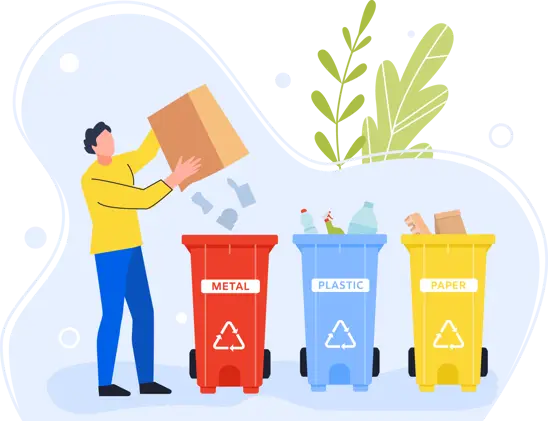
The safest approach is to separate offensive waste at the point where it is produced. Staff should place it directly into the designated offensive waste container, which is typically a tiger-striped bag or other clearly labelled receptacle.
A good offensive waste management process includes:
- Segregating offensive waste from general and infectious waste
- Using the correct bags and containers
- Storing waste securely away from public access
- Cleaning storage areas regularly
- Arranging collections through a licensed waste carrier
- Keeping the required waste transfer documentation
Regular collections are important because offensive waste can create odour and hygiene issues if it is allowed to build up on site.
How WM101 Helps Businesses Manage Offensive Waste
At WM101, we act as your waste management partner, coordinating offensive waste collections through our network of licensed waste carriers for both single- and multi-site businesses across the UK. Instead of dealing with separate providers for different waste streams, you can manage your service through one dedicated point of contact.
We can help with:
Because we’re not tied to a single provider, you have the freedom to increase or reduce capacity, add new waste streams, or adjust collection schedules without having to renegotiate multiple supplier relationships. We handle the hassle, giving you peace of mind that your business waste is always handled safely, consistently, and in line with regulations.
Compliance and Record Keeping
Businesses and organisations in England, Scotland, and Wales have a legal duty of care for the waste they produce. That means ensuring waste is stored safely, transferred to an authorised carrier, and accompanied by the appropriate documentation.
For offensive waste, this typically includes waste transfer records that show how the waste has been handled and where it has been sent for treatment or disposal. Maintaining accurate records helps demonstrate compliance with UK waste regulations.
WM101 supports businesses with the documentation required for compliant waste management, helping reduce administrative pressure while ensuring waste is handled through approved channels.
Why Businesses Choose a Consolidated Waste Service
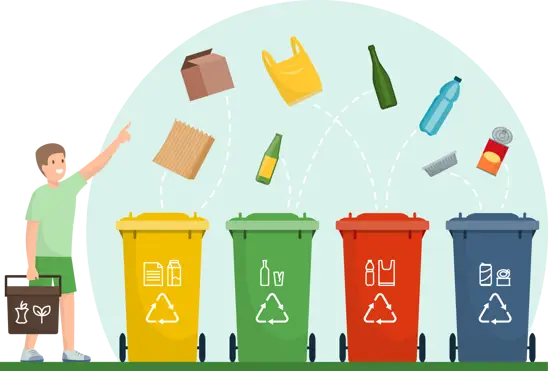
Offensive waste often sits alongside several other waste streams, including sanitary waste, clinical waste, hazardous waste, general waste, and dry mixed recycling. Managing each service separately can create unnecessary administration and make it harder to monitor costs, safety, and compliance.
By working with WM101, businesses can bring these services together under one coordinated waste management arrangement. This is particularly valuable for organisations with multiple locations that want consistent service standards, competitive pricing, and a single team to manage collections, complaints, and ongoing service changes.
Getting started is easy. Just fill out our form and we’ll send you a no-obligation quote tailored to your needs. Our helpful team is always on hand to answer any questions, and you can update your preferences at any time. We pride ourselves on our excellent customer support, ready to help you so you can focus on your operations.
Need Help Managing Offensive Waste?
If your business produces offensive waste, sanitary waste, or clinical waste, WM101 can help you put the right bins, collection schedules, and compliance processes in place.
Contact our team today to discuss your requirements and receive a tailored quote for offensive waste management across one or multiple UK sites.
FAQs About Offensive Waste Management
No. Offensive waste is classed as non-hazardous and non-infectious. It may be unpleasant because of its appearance, smell, or contamination with body fluids, but it does not contain infectious, chemical, or pharmaceutical substances that would make it hazardous waste.
Clinical waste is waste produced from healthcare or related activities that may require special handling because of its medical nature. Some clinical waste is infectious and hazardous, while some non-infectious clinical materials may be classified as offensive waste.
Yes. Waste containing urine, such as catheter bags, incontinence pads, or adult nappies, is generally considered offensive waste as long as it is not infectious and is not mixed with hazardous substances. These items should be placed in the appropriate offensive waste container and collected through a compliant offensive waste collection service.
Paper hand towels used in washrooms are often treated as municipal offensive waste, particularly when they are disposed of in hygiene or sanitary waste bins. If they are heavily contaminated with bodily fluids or other hazardous materials, they may require a different waste classification.
Yes. Waste collected from public bins, including discarded tissues, food packaging, and general litter, can sometimes be treated as offensive waste because of its appearance, odour, or contamination. Although it is not usually infectious, it may still require controlled handling and disposal through the appropriate waste route.
Bedding, faeces, and other waste materials from animal care settings can be classified as offensive waste when they are unpleasant to handle but are not infectious or hazardous. This type of waste is commonly produced by veterinary practices, kennels, catteries, and other animal care facilities.
Offensive waste is collected by licensed waste carriers and transported to authorised treatment or disposal facilities. Depending on the waste type and local arrangements, it may be sent to a designated landfill for non-hazardous waste or to an energy-from-waste facility.
Yes. Offensive waste should be separated from general waste and infectious clinical waste using clearly labelled, dedicated containers. This helps prevent contamination and ensures the waste follows the correct disposal route.
Yes. Staff involved in waste handling should be trained on the correct procedures for segregating, storing, and disposing of offensive waste. Training should include the use of appropriate personal protective equipment (PPE), how to identify offensive waste bags, and how to store waste securely to prevent spills, odours, and cross-contamination.
Yes. WM101 can coordinate sanitary waste services, clinical waste services, offensive waste management, and many other waste streams through a single account, helping businesses simplify waste management across one or multiple UK locations. Simply get in touch with our friendly team to discuss your requirements.
28/07/2026