Simpler Recycling Legislation UK: What Businesses Need to Do in 2026
The Simpler Recycling Legislation UK was introduced in 2023 by the Department for Environment, Food & Rural Affairs (Defra) to remove confusion around what can and can’t be recycled across both households and businesses.
For UK businesses, the key requirements have already come into force. Now, as we move through 2026, the focus is expanding to households, bringing greater consistency across the entire waste system.
In this guide, we’ll walk you through what the legislation means for your business today, what’s changed, and how to stay compliant while improving efficiency and controlling waste costs.
How Can Businesses Comply With the Simpler Recycling Legislation?
Key takeaways:
- Update your waste services to meet Simpler Recycling legislation requirements.
- Train your team and work with a trusted provider, like WM101, to stay compliant.
- Track your recycling data and review waste disposal costs regularly.
At WM101, we help businesses put these steps into action with practical, cost-effective waste solutions that take the pressure off compliance.
Understanding the Simpler Recycling Legislation UK
The Simpler Recycling legislation aims to standardise how waste is collected and separated across England. The goal is simple: improve recycling rates, reduce contamination, and cut down on landfill waste.
What businesses need to know:
- Since March 2025, most businesses and non-domestic premises must:
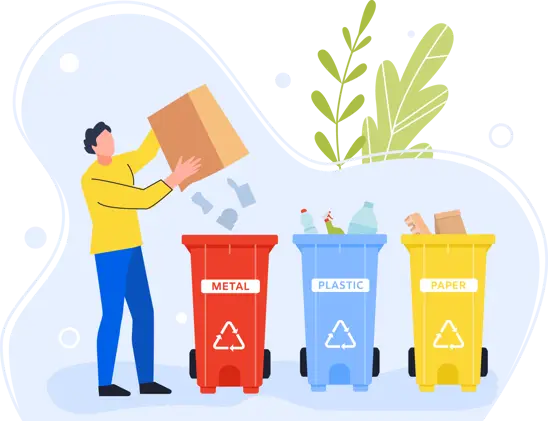
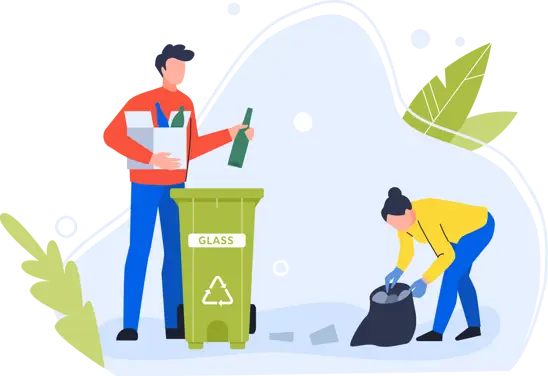
- Separate dry recyclables (glass, metal, plastic, paper and card) from general waste
- Arrange separate food waste collections if they produce food waste
- Follow clearer, more consistent waste separation practices
These recycling regulations apply to businesses and other non-household premises (e.g., schools and hospitals) with 10 or more full-time employees. Micro-businesses with fewer than 10 employees have until March 2027 to implement necessary changes.
From March 2026, local authorities are rolling out similar requirements for households, creating a more aligned system nationwide.
How to Stay Compliant: A Practical Step-by-Step Approach
If your business or non-household premises has 10 or more full-time employees, these nine key steps will help you navigate Simpler Recycling legislation.
Start with a simple audit of your waste:
- What types of waste are you producing?
- Are materials being separated correctly?
- Does your current collection setup meet Simpler Recycling legislation requirements?
This gives you a clear baseline and highlights any gaps.
Once you know where you stand, make the necessary adjustments:
- Introduce separate bins for key waste streams
- Label bins clearly to prevent contamination
- Set up accessible collection points across your site
The easier you make it for people to dispose of waste correctly, the more consistent and compliant your results will be.
Your waste management systems only work if your team understands them.
- Provide simple, clear guidance on waste separation
- Schedule regular training sessions where needed
- Reinforce good habits with signage and reminders
A well-informed team reduces disposal mistakes and helps keep your processes aligned with recycling regulations in the UK.
At WM101, we advise businesses to contact recycling providers, such as ourselves, to understand how the recycling legislation will affect collections and what new requirements need to be met. It's also important to review your existing waste collection agreements to ensure they remain compliant.
Compliance isn’t only about setup – it’s about ongoing visibility.
- Monitor waste volumes across different streams
- Keep records, such as Waste Transfer Notes
- Use data to identify inefficiencies or cost-saving opportunities
Good data helps you understand how your waste is managed day to day and make more informed decisions in the future.
While the core requirements for businesses haven’t changed in 2026, recycling regulations in the UK continue to evolve. Stay ahead by following government and industry updates, attending relevant workshops or webinars, and working with a trusted waste partner like WM101 to keep your business aligned with the latest requirements.
Done right, compliance can actually reduce your waste costs: less contamination means fewer rejected loads, better segregation can lower disposal fees, and efficient collections prevent overpaying for unused capacity. At WM101, we regularly help businesses uncover savings through smarter waste management.
A strong recycling strategy should be well-documented and visible across the business. This includes creating clear reporting systems to track recycling progress, sharing achievements with customers and stakeholders, and making sustainability a key part of corporate responsibility efforts to ensure compliance with Simpler Recycling legislation.
Beyond compliance, businesses can integrate sustainability into their broader goals by encouraging employees and customers to take part in recycling efforts, exploring eco-friendly initiatives beyond waste management, and making sustainability a core business value to support responsible waste regulations compliance.
Changes to Simpler Recycling Legislation in 2026
From 31st March 2026, local authorities must provide separate collections for household waste, including:
- Food waste
- Garden waste
- Paper and card
- Dry recyclables (glass, metal, plastics, cartons)
- Non-recyclable waste
These changes apply to all households, including flats and communal properties.
Why These Changes Are Happening
Historically, recycling systems have varied widely across the UK. Different councils collected different materials, at different frequencies, using different methods. This inconsistency led to confusion over what can be recycled, higher contamination rates, and lower overall recycling performance. Standardising collections helps create a clearer, more effective system for everyone.
What This Means for Your Business
For most businesses, nothing new has been introduced in 2026. You were already required (from March 2025) to separate food waste, manage dry recyclables correctly, and follow consistent waste segregation practices.
However, the alignment with household recycling means greater awareness amongst employees and customers, increased expectations around sustainability, and a more consistent national approach to waste.
If you’re a UK business with more than 10 full-time employees, now is a good time to sense-check your setup and make sure everything still runs efficiently.

Summary: Key Timelines for Simpler Recycling Legislation UK
- 31st March 2025 – Businesses and relevant non-domestic premises in England must arrange collections for core recyclable waste streams (glass, metal, plastic, paper and card, and food waste).
- 31st March 2026 – Local authorities must collect core recyclable waste streams from all households in England. This includes introducing weekly food waste collections for most homes (unless a transitional agreement applies).
- 31st March 2027 – Micro-businesses (businesses with fewer than 10 equivalent full-time employees) must arrange collections for core recyclable waste streams (glass, metal, plastic, paper and card, and food waste).
- 31st March 2027 – Kerbside plastic film collections from businesses and relevant non-domestic premises, and households, are set to be introduced.
Simpler Recycling Compliance with WM101
At WM101, we make it easier for your business to meet Simpler Recycling legislation requirements without adding complexity to your day-to-day operations.
We combine practical support with reliable service, helping you stay aligned with UK recycling regulations while keeping your waste management efficient and cost-effective. From reviewing your current setup to implementing compliant collection systems, we work with you to ensure everything runs smoothly.
If you’re looking for a straightforward way to stay compliant and in control of your waste, we’re here to help. To find out how WM101 can support your business, call us on 01629 817000 or submit an enquiry via our contact form.
Get a free quote today
No bin rental costs
Free Waste Transfer Note
Get your first month free
Free bins and delivery
Free site quote with no obligation
FAQs
Simpler Recycling is a UK-wide initiative designed to standardise how waste is separated and collected, making recycling clearer and more consistent for businesses and households.
Simpler Recycling legislation was introduced in 2023. Current business requirements came into effect from March 2025, with household changes rolling out from March 2026.
Most businesses must comply with Simpler Recycling legislation. If you have fewer than 10 full-time equivalent employees, you have until March 2027 to meet the requirements.
31/03/2026